
New federal tariffs on solar materials are likely to put upward pressure on installation costs. For homeowners considering solar, moving forward sooner could be one of the best ways to avoid paying more later.
As the old saying goes, the best time to plant a tree was 20 years ago…the next best time is today!
What Is Changing?
On August 6, 2026, the federal government announced new Section 232 trade measures affecting polysilicon and products further down the solar supply chain, including ingots, wafers, solar cells, and modules. The measures establishes minimum import prices for covered products and impose a 15% tariff on certain polysilicon derivatives. The new rules take effect December 4, 2026.
The Section 232 action establishes minimum import prices for several stages of the solar manufacturing supply chain:
- Polysilicon: $21/kg
- Polysilicon ingots and wafers: $100/kg
- Solar cells: $0.22/watt
- Solar modules: $0.38/watt
In the near term, the new trade measures are expected to increase the cost of solar equipment, and those higher costs will eventually work their way into residential installation prices.
Covered downstream products are also subject to an additional 15% tariff, with certain country-specific provisions.
The stated long-term objective is to make it more economically attractive to manufacture solar materials and components in the United States.
The short-term reality is that U.S. solar companies still rely on a combination of domestic and imported products—and the new rules increase the cost floor for some of those imports.
As Canary Media recently reported, the result is expected to be higher costs for installing solar, even as the policy gives U.S. manufacturers greater protection from lower-cost imports.
Why Prices May Not Jump Immediately
There is an important reason homeowners may not see the full effect of the tariffs immediately.
The Section 232 measures don’t apply until December 4. That gives manufacturers, distributors, and other companies throughout the supply chain an opportunity to bring inventory into the United States before the new rules take effect.
Companies also have an economic incentive to maintain existing pricing for as long as possible. If a manufacturer or distributor has equipment already purchased under today’s cost structure, it can continue selling that inventory without immediately passing the full cost of future tariffs along to customers.
As a result, we could see a period in which manufacturers and distributors stockpile solar materials and finished modules ahead of the effective date, creating a temporary buffer between the announcement of the tariffs and their full impact on residential pricing.
But that inventory won’t last forever.
Once lower-cost inventory is depleted, replacement equipment will increasingly reflect the new market conditions.
In other words, the fact that prices don’t jump overnight doesn’t mean the tariffs won’t affect what homeowners ultimately pay.
What Could This Mean for the Price of Residential Solar?
The exact impact on a homeowner’s total project price will vary.
A solar installation includes much more than the modules themselves. Labor, electrical equipment, inverters, racking, engineering, permitting, overhead, and financing all contribute to the final price.
That means a 15% tariff on a particular component does not translate into a 15% increase in the price of an entire solar installation.
However, solar modules and the upstream materials used to manufacture them are significant components of system costs. If equipment costs increase, installers eventually have to account for those costs in their pricing.
That’s why the timing of a solar project matters.
The current window before the Section 232 measures take effect gives homeowners an opportunity to secure equipment and pricing before the full impact of the new rules works its way through the supply chain.
Could Section 232 Tariffs Strengthen American Solar Manufacturing?
Potentially, yes.
The basic economic argument behind the policy is straightforward: if imported products become more expensive, U.S. manufacturers have a greater opportunity to compete.
That matters because a stronger domestic manufacturing base could provide several long-term advantages:
- More resilient solar supply chains
- Less dependence on overseas manufacturing
- Greater domestic production of critical energy infrastructure
- More U.S. manufacturing jobs
- Greater domestic expertise in solar and energy-storage technologies
- Potentially more predictable equipment availability
At Sunergy, we generally support efforts to encourage domestic manufacturing of solar panels, batteries, inverters, and other clean-energy technologies.
But tariffs alone don’t create manufacturing capacity overnight.
New factories have to be financed, permitted, constructed, staffed, and brought to full production. Until that capacity is online at meaningful scale, American installers and homeowners remain exposed to the costs of the existing global supply chain.
That creates a transition period in which equipment can become more expensive before domestic production is large enough to meaningfully offset those increases.
Federal Solar Incentives Have Changed, Too
Section 232 isn’t the only major change affecting residential solar economics.
The federal Section 25D Residential Clean Energy Credit is no longer available for new homeowner-owned solar installations after December 31, 2025. The loss of that direct 30% homeowner tax credit has significantly changed the economics of residential solar.
At the same time, another pathway remains available for homeowners through third-party ownership (TPO) structures.
Qualifying TPO providers can potentially utilize the Section 48E investment tax credit and incorporate the value of that incentive into the economics offered to homeowners. This has become an increasingly important part of the residential solar market following the expiration of the homeowner credit.
For example, Sunergy offers qualifying customers access to TPO options, including Participate Energy, which can utilize the commercial investment tax-credit structure.
This distinction is important:
The expiration of Section 25D does not mean federal incentives have disappeared from the residential solar market.
Instead, the way those incentives reach homeowners has changed.
Why Acting Sooner Could Save You Money
For homeowners considering solar, the timing of the Section 232 tariffs creates a relatively straightforward consideration.
Existing inventory may provide a temporary buffer against higher equipment costs.
Manufacturers and distributors have an incentive to build inventory ahead of the December 4 effective date, and installers may be able to purchase equipment under today’s pricing before the full impact of the new rules is reflected in replacement inventory.
But as that inventory is used, new equipment will increasingly have to be purchased under the new cost structure.
That means homeowners who wait may eventually face:
- Higher module and equipment costs
- Higher overall installation prices
- Fewer opportunities to lock in current equipment pricing
- Continued uncertainty about future trade policy
- A residential market that no longer has the direct Section 25D tax credit
If you’re already considering solar, moving forward now may be the best way to reduce your exposure to these potential increases.
What Should Homeowners Considering Solar Do?
1. Get a Proposal Now
If you’ve been thinking about solar, get a proposal based on today’s equipment and installation costs: https://sunergysystems.com/free-quote/
You don’t have to make an immediate decision simply because you get a proposal. But knowing today’s price gives you a useful baseline as the market changes.
2. Ask About Equipment Availability
Ask your installer:
- Is my equipment currently in inventory with your supplier?
- When will my equipment be ordered?
- How long can today’s price be guaranteed?
- What happens if equipment costs increase before installation?
These questions are becoming increasingly important as the industry prepares for the December 4 implementation date.
3. Compare Ownership and Third-Party-Ownership (TPO) Options
With the Section 25D homeowner tax credit no longer available, it is more important than ever to compare the economics of purchasing a system with qualifying TPO alternatives (e.g. prepaid solar leases).
Programs such as Participate Energy leverage the Section 48E investment tax credit and incorporate those savings into the economics of a residential solar project. Customers taking advantage of TPO options are seeing savings up about 30% when compared with cash pricing for customer-owned systems.
4. Don’t Assume Waiting Will Make Solar Cheaper
Solar equipment has become dramatically less expensive over the long term, and technological improvements could eventually put downward pressure on prices.
But today’s market is different.
Tariffs, minimum import prices, changes to federal incentives, domestic manufacturing requirements, supply-chain conditions, labor costs, and utility rates are all affecting the economics of solar.
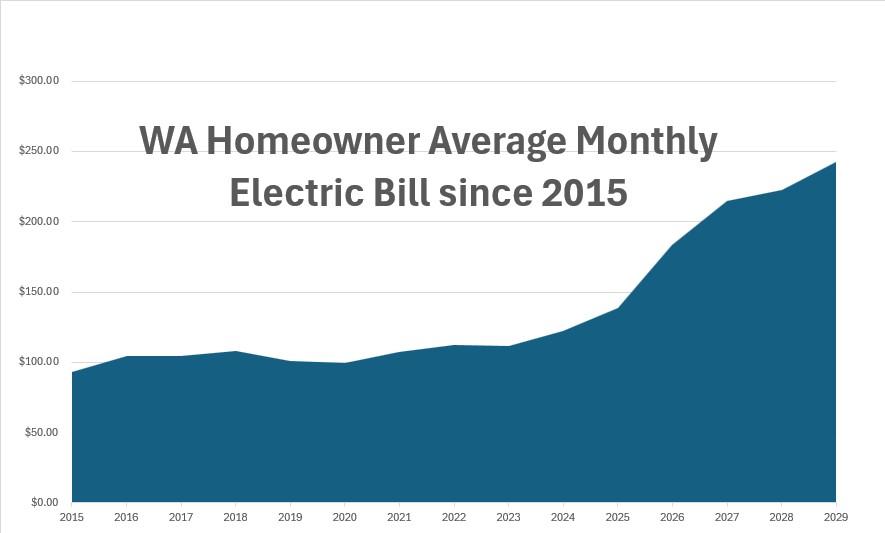
There is no guarantee that waiting six or twelve months will result in a lower installed price…in fact, market factors today indicate that prices will likely be higher for those who wait.
5. If the Numbers Work Today, Consider Moving Forward
Ultimately, the best reason to go solar isn’t a particular tariff or federal policy.
It’s whether solar makes financial sense for your home and meets your goals for sustainability and power security.
If your proposed system provides an attractive long-term return, reduces your exposure to rising electricity rates, and fits your financial goals, locking in today’s pricing before Section 232 costs are fully reflected in the market may be worth considering.
The Bottom Line
The U.S. solar market is entering another period of significant change.
Section 232 is intended to encourage more domestic manufacturing of critical solar materials and components. That could strengthen the U.S. solar supply chain over the long term.
But in the near term, the policy is also likely to increase the cost of imported solar equipment. And because domestic manufacturing capacity cannot expand overnight, homeowners may feel those higher costs before the benefits of increased U.S. production fully materialize.
Canary Media’s recent analysis similarly concludes that the new tariffs are likely to raise solar installation costs while providing greater protection for domestic manufacturers.
For homeowners, the takeaway is simple:
If you’ve been thinking about solar, now is the time to find out what it costs—not wait to see what it costs after Section 232 takes effect.
Manufacturers and distributors may be able to use existing inventory to delay price increases for a while. But once that inventory is replaced with equipment subject to the new trade rules, those higher costs are likely to become increasingly difficult to avoid.
The most effective way for a homeowner to avoid paying more because of Section 232 is to move forward with a solar project before those higher equipment costs work their way through the supply chain.
Sunergy Systems will continue monitoring changes in federal trade policy, equipment pricing, and solar incentives so we can help homeowners understand how these developments affect their investment in solar.
Thinking about solar? Contact Sunergy to see what today’s numbers look like for your home.
Sources
- Canary Media: Trump launched big new solar tariffs. Here’s what it means. — August 7, 2026.
- The White House: Adjusting Imports of Polysilicon and its Derivatives into the United States — August 6, 2026.
- White & Case: President Trump Orders Tariffs and Price Floors in Polysilicon Section 232 Action — August 10, 2026.