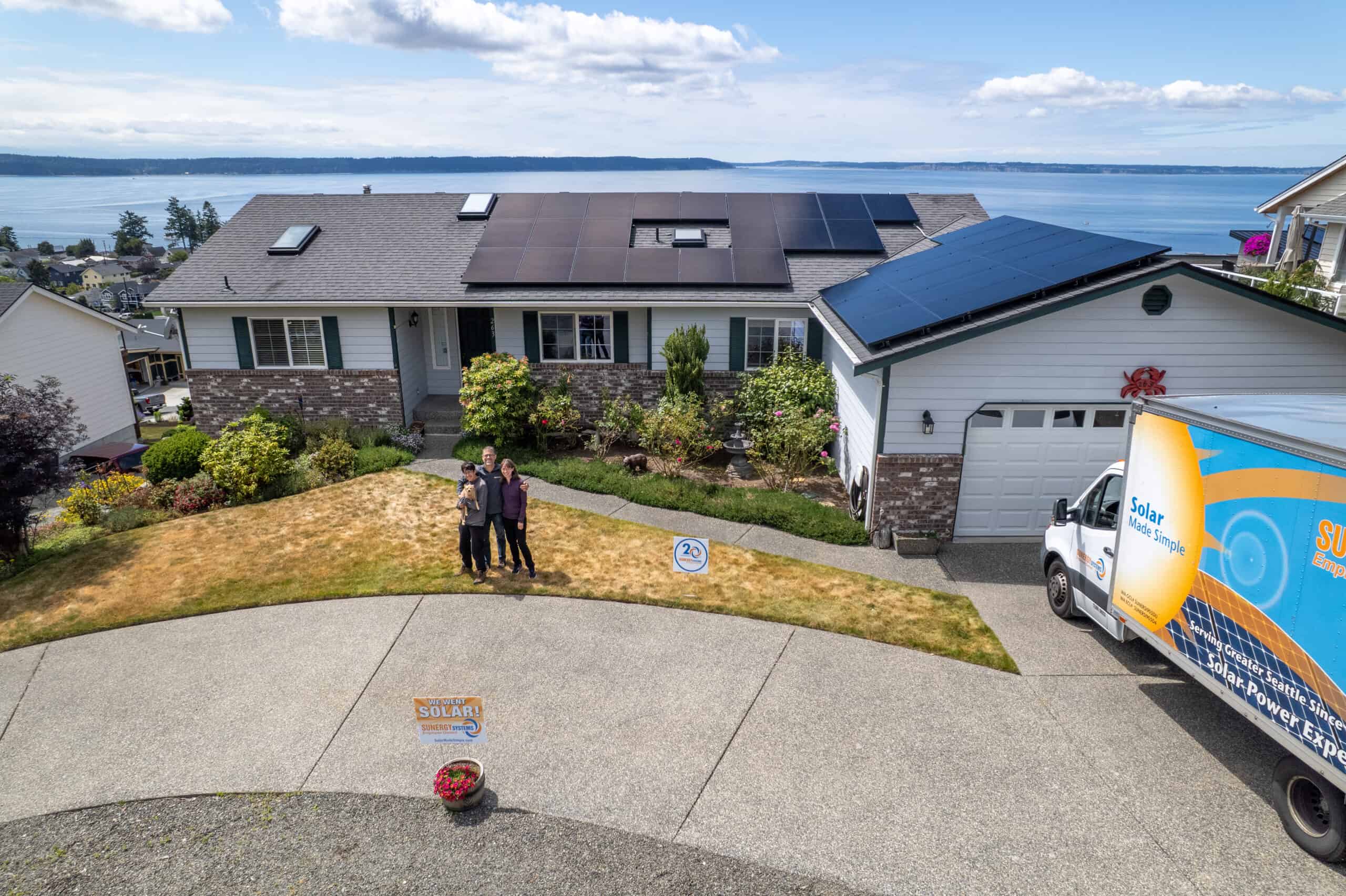
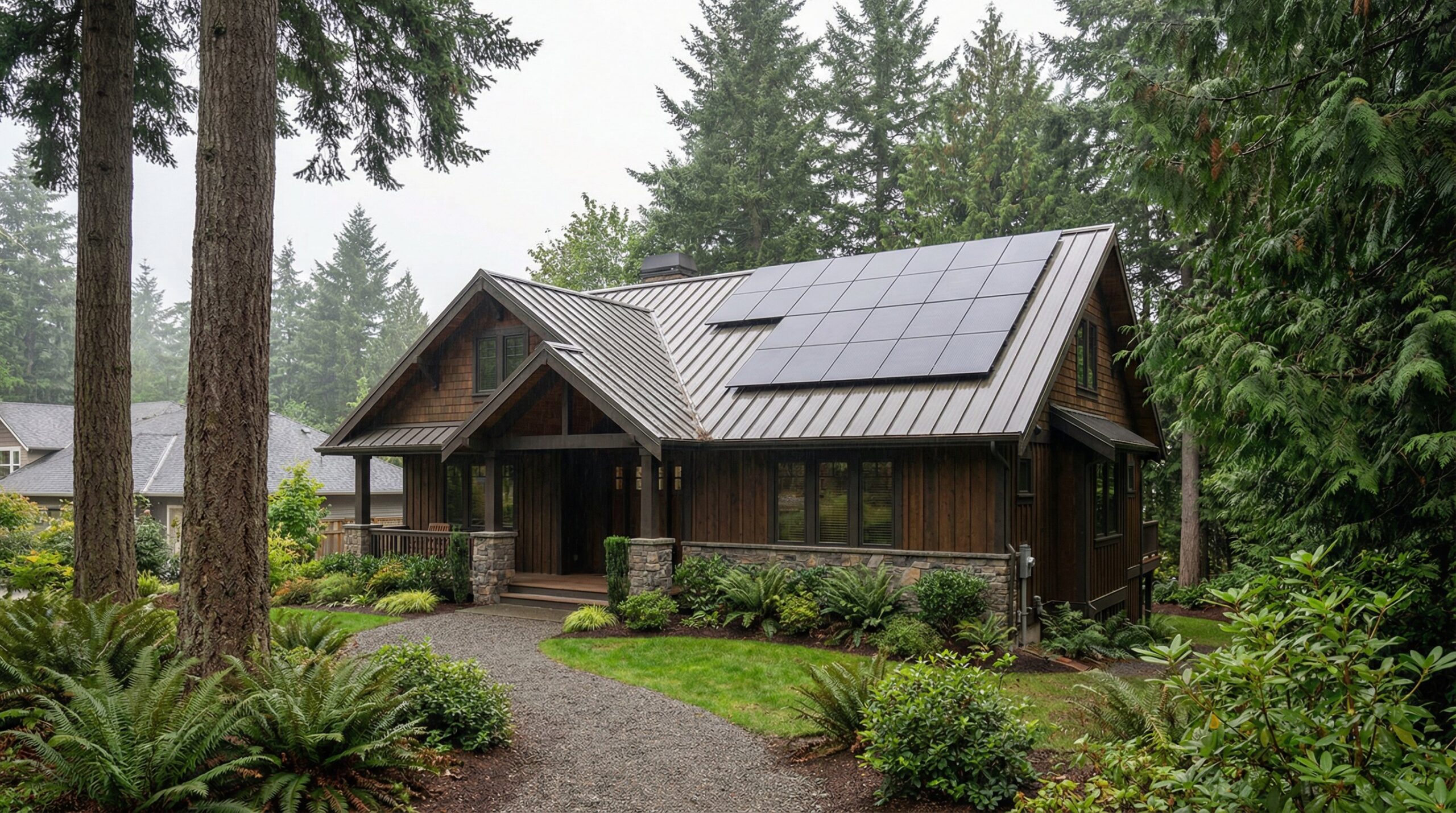
When people think of solar power, they often picture sunny states like California or Arizona—not rainy Seattle. But the reality may surprise you: solar adoption in Seattle has been steadily increasing for years, and today the region is one of the most attractive solar markets in the country. Here’s why going solar in Seattle makes more sense than ever. As homeowners explore their options for Going Solar in Seattle, they will find numerous benefits that align with both environmental goals and financial savings.
________________________________________
1. A Thriving and Mature Local Solar Industry
While Seattle’s reputation for cloudy weather raises eyebrows, the local solar industry is anything but overcast. Over the past decade, installations have steadily increased across the Puget Sound region.
As demand has grown, so has the quality of the marketplace. Today, homeowners can choose from highly reputable, experienced solar installation companies with deep knowledge of local permitting, utility requirements, and system design best practices.
A mature market means:
• Better workmanship
• Transparent pricing
• Strong consumer protections
• Proven long-term performance
________________________________________
2. Seattle’s 1:1 Net Metering Is Extremely Generous (But Will Not Last)
One of the biggest reasons Seattle has become a strong solar market is Washington’s 1:1 net metering policy.
With net metering, the electricity your solar panels send to the grid earns you full retail value credit. That means excess summer production can offset winter usage at the same rate you pay for power.
This is a highly favorable policy compared to many other states where export credits have been reduced. However, like many strong net metering programs nationwide, it is expected to be phased out as early as the end of 2026.
For homeowners considering solar, acting while full 1:1 net metering is still available can significantly improve long-term financial returns because they will be grand-fathered into the program.
________________________________________
3. Strong Consumer Protection Laws Protect Homeowners
Washington State passed solar consumer protection legislation several years ago designed to ensure customers are treated fairly and ethically.
These laws require:
• Clear contract disclosures
• Transparent financial assumptions
• Honest performance projections
• Defined cancellation rights
For homeowners, this means you can explore solar with confidence, knowing the industry operates under clear legal standards designed to protect you.
________________________________________
4. WASEIA Strengthens Utility & Permit Relationships
The Washington Solar Energy Industries Association (WASEIA) plays a critical role in maintaining strong working relationships between solar installers, utilities, and permitting offices across the state.
Because of these established partnerships:
• Permitting processes are well understood
• Utility interconnection requirements are clearly communicated
• Expectations of solar contractors are clearly defined
• Install timelines are more predictable
This behind-the-scenes coordination dramatically improves the customer experience and reduces friction during your solar project.
________________________________________
5. Yes, Solar Works in Seattle’s Climate
Despite its cloudy reputation, Seattle is well-suited for solar production.
Why?
• Long summer daylight hours (up to 16+ hours near the solstice)
• Mild winters without heavy snow accumulation
• Cooler temperatures, which actually improve panel efficiency
• Most annual production occurs in late spring and summer
While winter months are darker, strong summer production combined with 1:1 net metering allows homeowners to bank credits during peak production season.
In short: Seattle’s climate is far more solar-friendly than many people assume.
________________________________________
6. Rising Utility Rates + Sales Tax Exemption = Strong Solar Economics
Electricity rates in Washington have steadily increased in recent years, and long-term projections suggest that trend will continue. PSE customers saw an increase of 12% on average in 2025 and additional increases of 6-9% are expected in 2026. SCL customers can expect rates to increase by 5.4% in 2026, with annual increases beyond 2026 expected to be in the range of 7-10% annually to support infrastructure and clean energy investments.
When homeowners install solar, they effectively lock in a portion of their energy costs at today’s rates, reducing long-term exposure to future utility increases.
At the same time:
• Solar equipment costs have declined significantly over the past decade
• Installation processes are more efficient than ever
• System performance and reliability continue to improve
• Washington exempts solar and battery systems from sales tax
Washington’s base sales tax rate is 6.5%, and local jurisdictions can add up to 4.1%, bringing total sales tax in many areas close to 10%.
Because qualifying residential solar and battery storage systems are exempt from sales tax, homeowners avoid thousands of dollars in up-front cost.
On a $30,000 system, that exemption alone can mean $2,700–$3,000+ in immediate savings.
Unlike incentives that phase in over time, this exemption reduces your cost on day one and meaningfully improves overall return on investment.
When you combine:
• 1:1 net metering
• Rising electricity rates
• Sales tax exemption
• Improving equipment (mainly solar panels and inverters) economics
• Growing battery participation programs
The Seattle area stands out as one of the most financially stable solar markets in the country.
For many homeowners, the result is shorter payback periods, strong long-term savings, and protection against future rate volatility.
________________________________________
7. Virtual Power Plants & Battery Incentives
Battery adoption is accelerating in the region thanks to innovative programs like Puget Sound Energy’s Flex Batteries program.
Virtual Power Plant (VPP) programs allow homeowners with batteries to:
• Receive financial incentives
• Support grid stability
• Participate in peak demand events
• Increase overall return on investment
Adding battery storage not only provides backup power but can also unlock additional utility incentives and grid participation benefits.
________________________________________
8. Seattle Is Quietly One of the Best Solar Markets in America
When you combine:
• Generous 1:1 net metering
• Strong consumer protections
• Mature, reputable installers
• Effective industry advocacy through WASEIA
• Falling equipment costs
• Rising electricity rates
• Growing battery incentives
• Favorable summer production
Seattle stands out as one of the most attractive and stable solar markets in the country.
________________________________________
Final Thoughts: Is Now the Right Time?
For many Seattle-area homeowners, the answer is yes.
With net metering policies expected to evolve and electricity rates trending upward, installing solar sooner rather than later can maximize long-term savings and lock in favorable policies.
Despite the clouds, Seattle’s solar future is bright—and homeowners who act early are positioned to benefit the most.
If you’re considering going solar in Seattle, now is an excellent time to explore your options.
For those considering Going Solar in Seattle, the time to act is now to take advantage of these favorable conditions.